
The first year or two of your fitness journey involves a lot of new exercises and movements that can seem exciting at first. Especially, as each week you find you can load more and more weight on the bar or grab those heavier dumbbells.
I can recall my first year of training I managed to reach a 315 lb deadlift, which is a far cry from the mere empty bar I had started with my first time. In my naive arrogance, I began speculating just how strong I would get if I managed to add nearly 300 lbs to my deadlift in just a year. “I should be pulling 500-600+ lbs by next year!” I thought to myself.
As you can probably tell, that was not the case whatsoever. I had reached my very first plateau, and I slowly began to dread each deadlift session as I knew I wouldn’t be able to get anything above 315 lbs off the ground.
A plateau can feel like beating your head against a brick wall, hoping to eventually get through the other side and hit that new personal record.
Luckily, that record is just around the corner if you manage to deploy the following tactics:
Be Realistic
I was mistaken to believe that I would add another 300 lbs to my deadlift in a year after already reaping a large portion of my noobie gains. I had this large ambitious goal with no plan to achieve it. I thought just showing up and moving the bar in the same manner as I do every week would eventually bring me that 600 lb deadlift.
The truth is that years have passed and I still haven’t pulled 600. My weightlifting goals eventually changed, but I now see that most folks who can pull 600+ lbs are extremely advanced lifters who have dedicated years and years to perfecting that one movement.
The chances of pulling those numbers as a beginner or intermediate-level weightlifter are very slim, but with solid training programming and a bit of creativity, you can still expedite the process of reaching your dream PR.
Organize Your Training
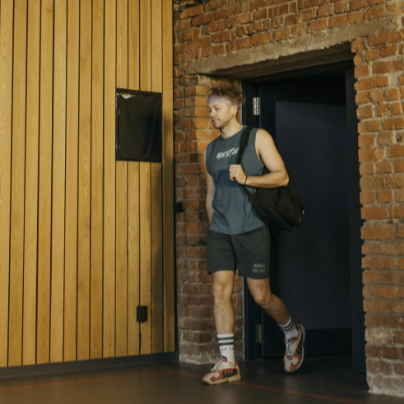
Don’t just go to the gym every session and go through the motions doing whatever exercise you feel like for that designated day. As you walk through those doors walk in with intent.
“But how?”
Track your progression in the gym, every rep, every set, every day.
I’ll write a blog post about how to design the ideal training split in the future, but for now, let’s assume that you; the reader already have a day-to-day workout plan. Most intermediate gym-goers have one yet they have no structured workouts.
A great way to go about forming a structured program is by splitting your training into blocks. Each block consists of 4-6 weeks and for those block periods, you do the same exercises consistently on their designated day.
For example every Monday for the next 4 weeks a client of mine will be doing these specific exercises and variations:

By doing the same exercises for months at a time we allow our body to adapt to the movements rather than just doing whatever lift we feel like doing that day.
This also allows us to have a stronger focus on achieving progressive overload, as on the same spreadsheet we use to structure our training plan we can also track our reps and sets for each lift.
When we track these, we can enter the gym with the purpose and intent to do one more rep than the last session or maybe even move slightly more weight than the week prior.
“Okay, I made a pretty spreadsheet, but I’m still hitting plateaus.”
Now that you have your training all organized and under control, it’s time to address those pesky plateaus.
As you close out a training block and begin a new one, it’s time to touch base and assess which lifts are not progressing to the speed we like and then apply some sort of variation to remedy the stagnation.
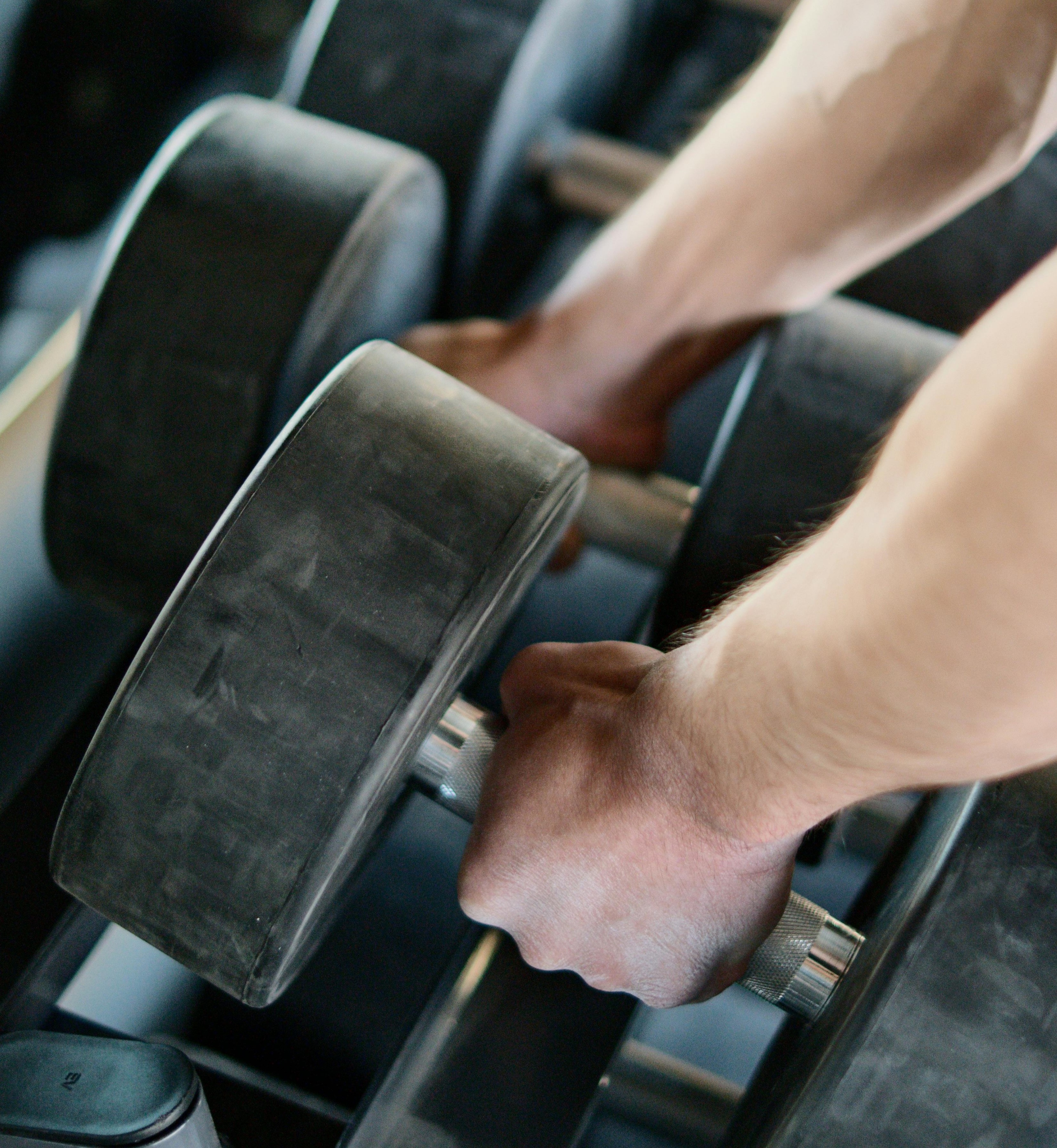
Let’s use the Dumbbell Bench Press for example.
If you were to have spent your first block hammering away on the Flat Dumbbell Bench Press, and you found yourself stuck on the 45 lb dumbbells towards the final week, for the following week it would be wise to now swap to a Low Incline Dumbbell Press and attempt to match the weight and/or reps you were pushing on flat on this new variation.
For the remainder of your second block, you will now be training the Low Incline Dumbbell Press. Since the angle of the bench applies more stress on the upper portion of the pecs and involves more deltoid (which is an accessory muscle aiding in your flat presses), your body will be forced to adapt to the new stimulus and strengthen those accessory muscles.
Now, if you were to return to the Flat Dumbbell Press in your next block, 45 lbs on there will pale in comparison to how it felt on the low incline. A study from the University of Queensland showed higher stimuli on the deltoids and clavicular heads of the pectoralis major when performing incline press variations. With these supplementary strength adaptations, you will be much stronger moving back to flat pressing the following block.
The same can be done with deadlifts, squats, or just about any compound movement.
We can perform 3-second pauses at the bottom of our squats for a block, and then go back to regular tempo the following month and be much stronger coming out of the bottom of the squat.
For conventional deadlifts, we could shift to a sumo stance for a few months just to increase our glute power, and then come back to conventional with a much stronger lockout at the end of each rep.
To Wrap It Up
Don’t be aimless in your pursuit of strength gains in the gym. Be concise, and consistent with your programming and tracking your progress.
When we see amazing feats of strength on social media, we never get to see the intense periodization and programming that went on behind the scenes to achieve those levels of power.
So moving forward, be sure to create a plan, go into the gym with intent, and execute accordingly.
.jpg)