
One of the biggest issues people have with cutting calories is the feeling of hunger. These feelings can cause binge eating, anger, or cause people to give up on their weight loss goals altogether.
The truth is: being hungry sucks, but there are ways to minimize that feeling when in a caloric deficit.
Health comes first
When losing weight, it needs to be done safely and effectively. It may seem tempting to drop a drastic amount of calories, but this will only lead to an unsustainable habit. The bottom line is your body needs energy and nutrients; without proper energy, it will not function correctly.
In your weight loss journey, assess your calorie intake keeping your health at the core, then make adjustments along the way.
Now if you are cutting calories responsibility, here are some things you can try to minimize that persistent feeling of hunger.
Reassess your daily caloric intake
Your maintenance calories are the amount you would have to eat to maintain your weight. When people begin their weight loss journey, they will typically subtract a good chunk off of their maintenance calories.
While you will see results, you could be eating slightly more and still losing a good amount of weight.
If you are getting constant pains in your stomach or constantly feeling like you're starving, there is a good chance you could use more calories. Try adding 100 calories to your daily intake for a week and see how your body responds. You may gain initial weight from the increase, but be patient. Look at your average at the end of the week; You may find that you lost despite eating slightly more.
Spread out your meals
Many busy people do the "one meal a day", which is eating all your calories in one meal at the end of the day. This can work for some, but for others, leads to a lack of energy and hunger.
Spreading out your meals will decrease the amount of time you spend hungry. If you are eating 1900 calories per day on a deficit, divide that into multiple meals, and leave extra calories for snacks.
Consume more lean protein
The University of Cambridge found that those with a high-protein diet often were more satiated than those with lower amounts. Protein causes you to feel more full for longer.
Lean protein will cause you to feel full while minimizing calories consumed. Meats like fish, lean ground beef, and chicken are great options. For example: half a pound of 93% lean ground beef mixed with a bag of frozen broccoli is a meal under 600 calories that will leave you full for hours.
Rotisserie chicken and canned tuna fish are other convenient options that will leave you full for fewer calories.
Frozen vegetables can make you full
You might have read that are wanted to close this article, but it's true. Bagged frozen vegetables are easy to make and provide a lot of volume. Whatever your favorite vegetable is: broccoli, spinach, brussels sprouts, or a bag of mixed vegetables; all of these provide volume that can make you feel full.
For example: two bags of frozen broccoli are around 240 calories. Throw in your favorite seasonings or zero-calorie sauces and you have an easy-to-prepare, low-calorie, and tasty meal that you eat multiple times a day.
Zero or low-calorie sauces are game changers
As stated above, low-calorie sauces are complete game changers. Adding a low-calorie sauce to vegetables, rice, meat, or anywhere it applies, can make meals feel more rewarding.
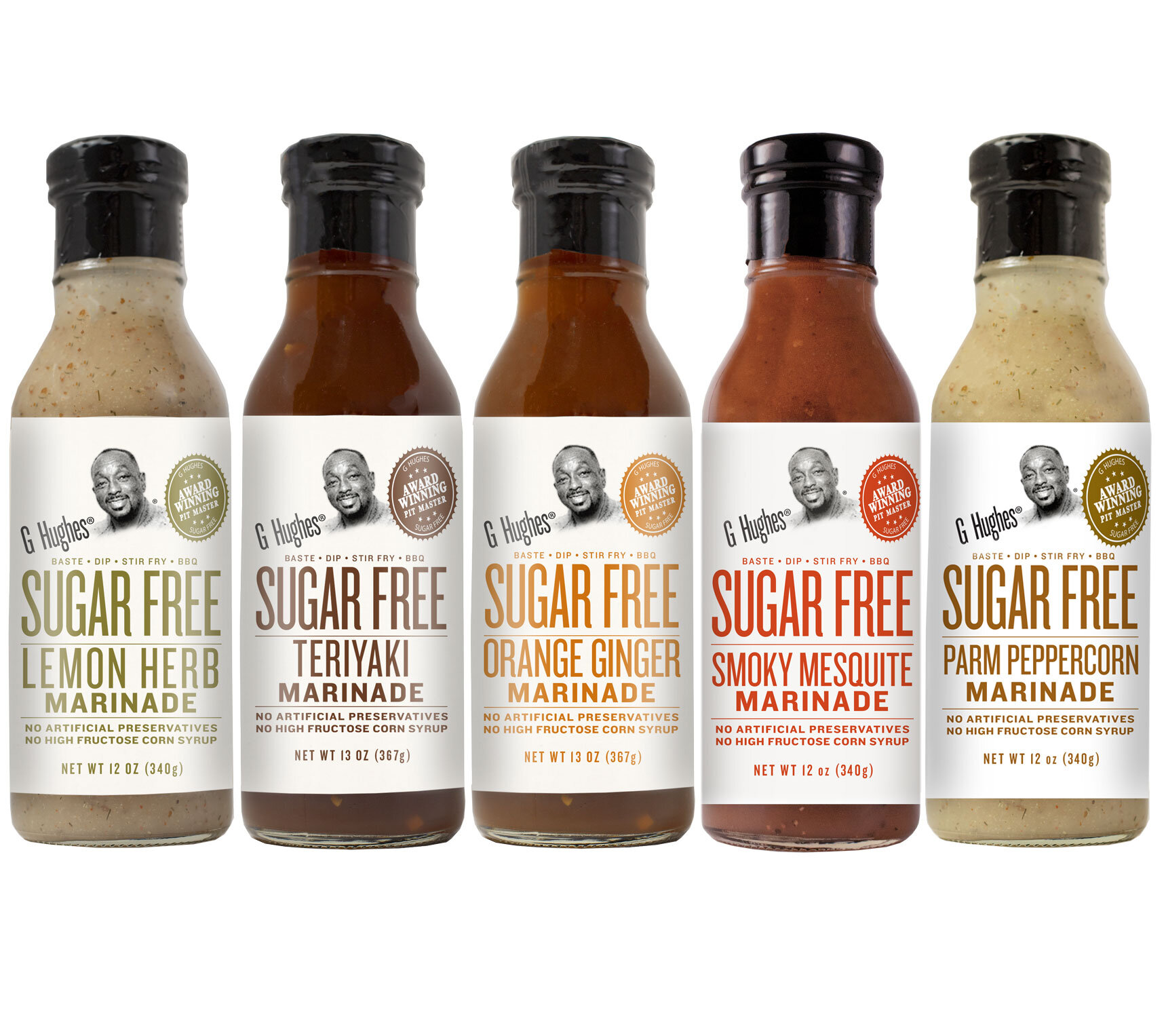
One of my favorite sauces is G Hughes Sugar-Free, we aren't sponsored by them either ( even though we would love to be. ) Their sugar-free ketchup, BBQ sauces, stir-fry sauces, and everything else, have minimal calories and taste great.
If you take a low-calorie stir-fry sauce and toss some vegetables in it, you have a delicious meal that will leave you satisfied. You don't need these fancy sauces though: soy sauce, mustard, hot sauce, etc. all have minimal calories.
I have eaten frozen vegetables with mustard on numerous occasions for a low-calorie meal. No shame in my game; tastes pretty good too.
Volume, volume, and some more volume.
How full you feel can be affected by what you are eating and how much you are eating. Choosing low-calorie foods allows you to eat a surplus to feel full. Foods like egg whites, low-fat Greek yogurt, cauliflower, frozen vegetables, lean meat, and much more, allow for high-volume meals.
Water and diet beverages
These are a controversial topic for many. I will not die on the hill that diet sodas and drinks are good for you, but in controlled moderation, they can provide benefits. Low-calorie beverages like sparkling drinks or diet soda, can provide a feeling of fullness after consumption. These can also help with sugar cravings.
I have even blended diet sodas with ice to make a slushie. This will take care of a sweet tooth and provide a lot of volume. Ideally, you should drink water, but Diet Dr. Pepper hits the spot once in a while.
Conclusion
Yes, cutting calories can be hard, but it's well worth it. Keep your health and nutrients at the core at all times though; health is your most valuable asset.
Despite these challenges, there are ways to kill that feeling of hunger in a deficit, so experiment and find what works for you.