

In all scientific studies or experiments, documentation is one of the most critical elements. Exercise and nutrition are both sciences; Change should be monitored and tracked accordingly.
Think about the importance of data, it is one of the most valuable assets in the world, even above oil. Yet many people neglect the importance of tracking their nutrition.
If your goal is to lose or gain weight, it's time to start utilizing one of your most valuable tools to guarantee progress.
You need to track calories to maximize results
For most people working out, their goals are typically to lose or gain weight. Without tracking calories, you are playing a guessing game on your intake amounts, which will make weight loss or gain more difficult.
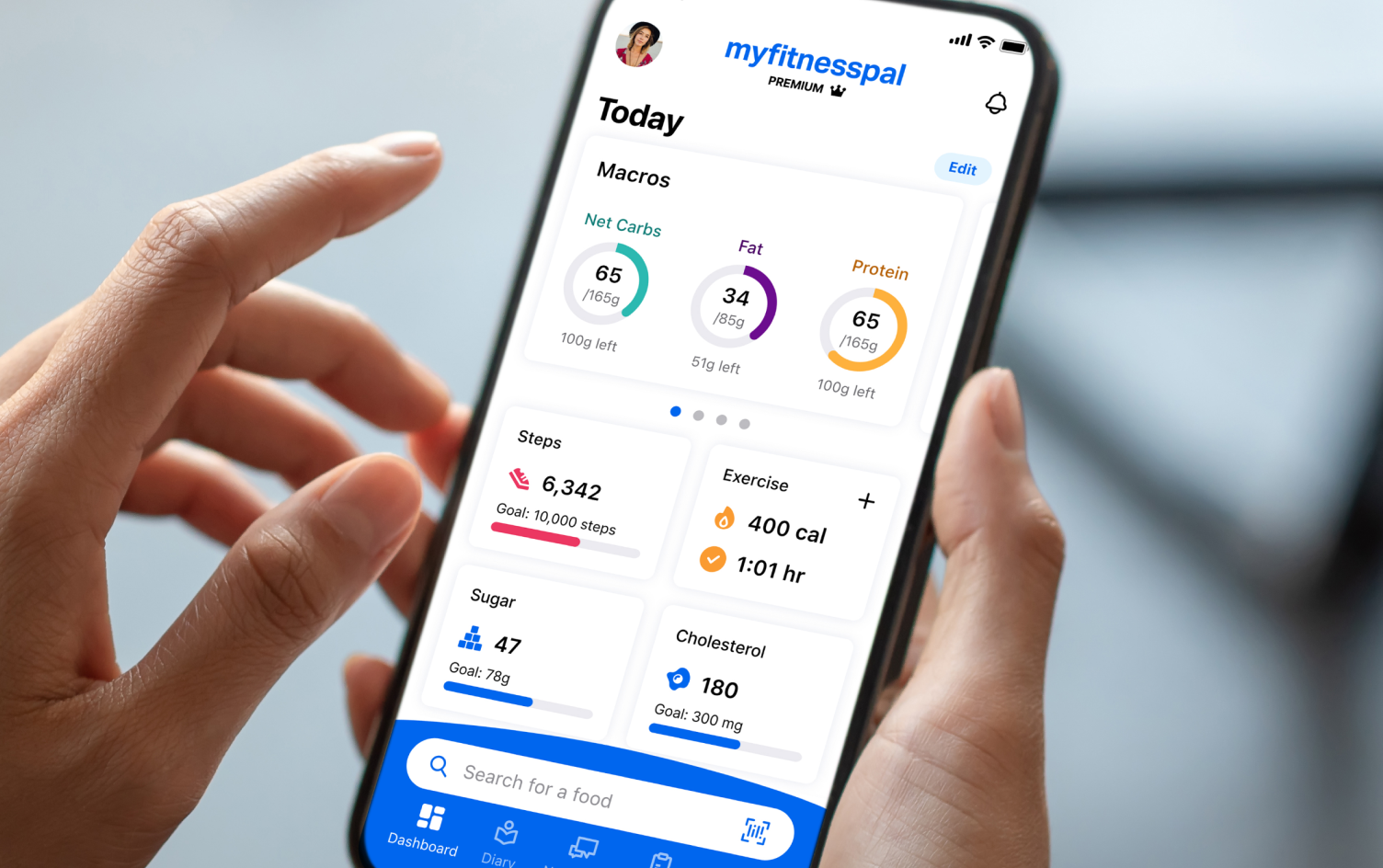
It is also important to monitor your nutrition. Calorie-tracking apps will showcase your consumption of proteins, carbohydrates, and fats. With this nutrition information, you can optimize your performance and hit your protein goals.

If you are unsure about how many calories you should be eating based on your goals, check this article out for a breakdown.
How do I track my calories?
It's a lot more simple than you think, but like all habits it takes discipline. For those starting, download any app that allows for caloric tracking. The most well-known are MyFitnessPal and LoseIt!
Had a meal? Track it. Had a snack? Track it. Had a drink? Track it.
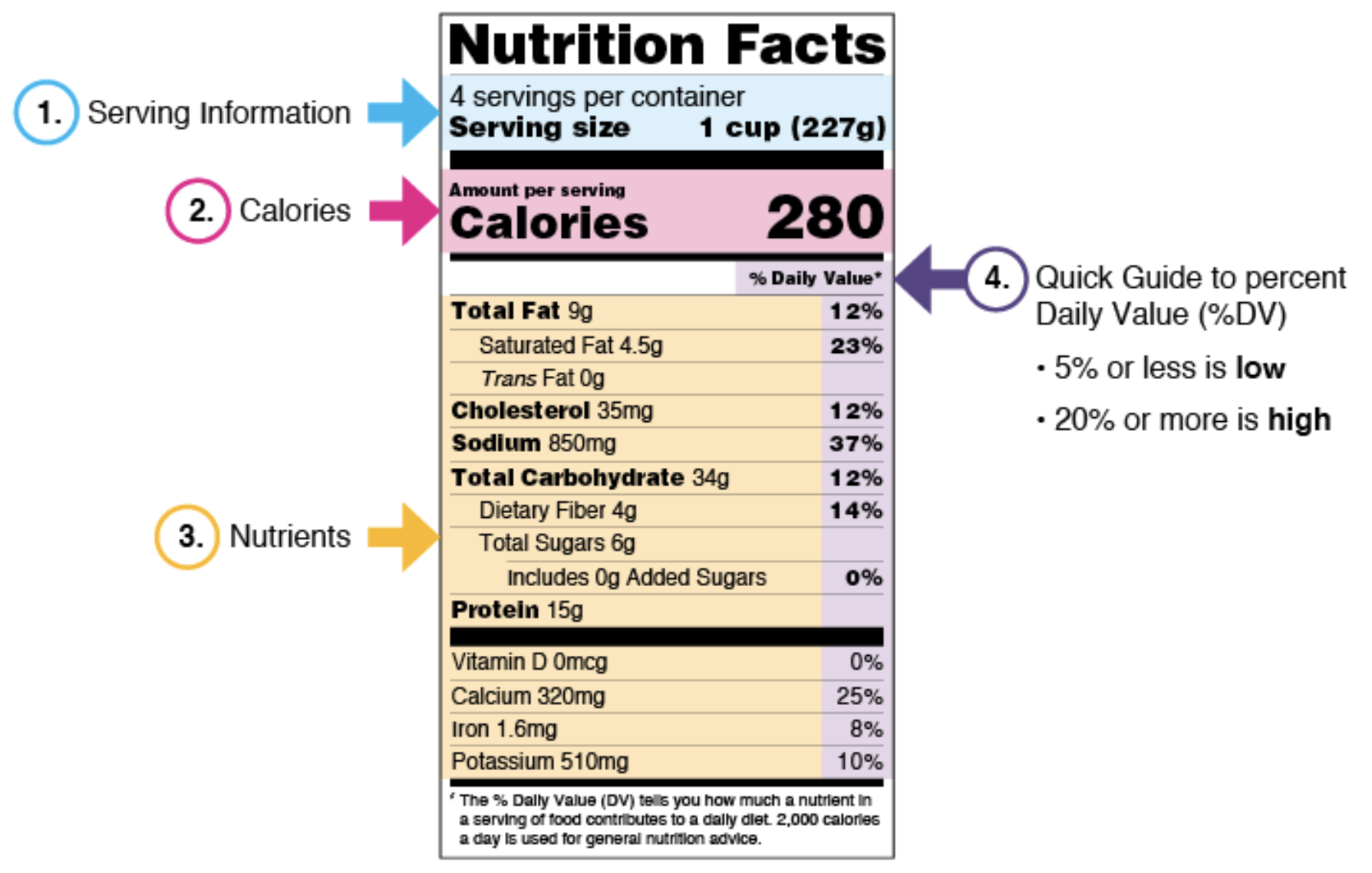
It is important to be honest with your logs as well. Log any cooking oil or butter you may use, and if you have a cheat day, log it as well. Try to weigh out food when possible, but if you can't, utilize the serving size information to track it as accurately as you can.
You are simply keeping track of what is going on in your body for you to look back on later.
Properly tracking your weight plays a major role as well
Weight fluctuation is real; if you aren't properly weighing yourself, you will have an inaccurate idea of what your "real" weight is.
In my early days of putting on weight, I would weigh myself before bed with an extra four pounds on the scale, only to lose it all the next day. Weight fluctuation can discourage those trying to lose weight too; thinking they haven't lost when they have.
How do I properly track my weight?
Weigh yourself at the same time every day, preferably after you use the restroom. Make sure you weigh yourself without clothes.
Now track it every day of the week. At the end of the week, get the average by adding all the values up and dividing by 7. That is the closest you'll get to your "real" weight.
Now compare these values week by week to see the change. MyFitnessPal and LoseIt! both have the functionality to log your weight with graphs to monitor progress.
So I need to weigh out single every meal I eat?
No, you don't. Some nights you will go out to dinner, you might go on vacation, or a holiday comes up. Life happens. Do the best you can, but make a serious commitment to tracking as much as possible.
Just please don't take out the scale in a restaurant and start dividing your food up.
But that's too much work!
“If you will live like no one else, later you can live like no one else.” ― Dave Ramsey
Dave Ramsey is referring to money specifically here, but this rule can apply to most things in life. It might be more work, but so is getting healthy in general. The extra "work" that tracking requires is a direct investment into your progress.
How bad do you want it?
Wasted time
We are often fixated on what is the most optimal for fast results. I spent so much time trying to figure out how to get "fast" results, that it slowed my progress.
In my personal experience, the most progress was made during the months of tracking. I don't even know how much progress I made in the months without tracking because there is no documentation.
Tracking doesn't only help you get results, but it minimizes wasted time getting towards your goals.
Conclusion
If you are struggling with hitting your weight loss or muscle-building goals, it's time to start tracking. Without knowing the amount you eat daily, you will be guessing and hoping you are hitting your goals.
Yes it is difficult to build new habits and it might be more work, but ask yourself: Is the work worth the reward?